


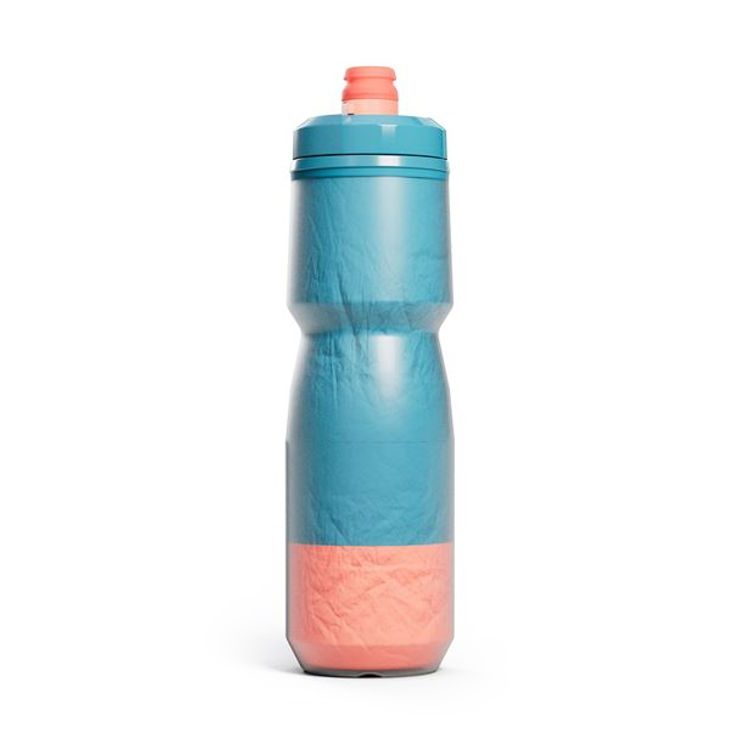

CAMELBAK Podium Chill 0,71l Mercury Teal Bottle
1873411071Insulated CamelBak Podium Chill bottles keep your drink at temperature 2x longer compared to a normal bottle. They are made from BPA, BPS and BPF-free polypropylene with Hydroguard technology, which ensures true drink taste without a plastic aftertaste.
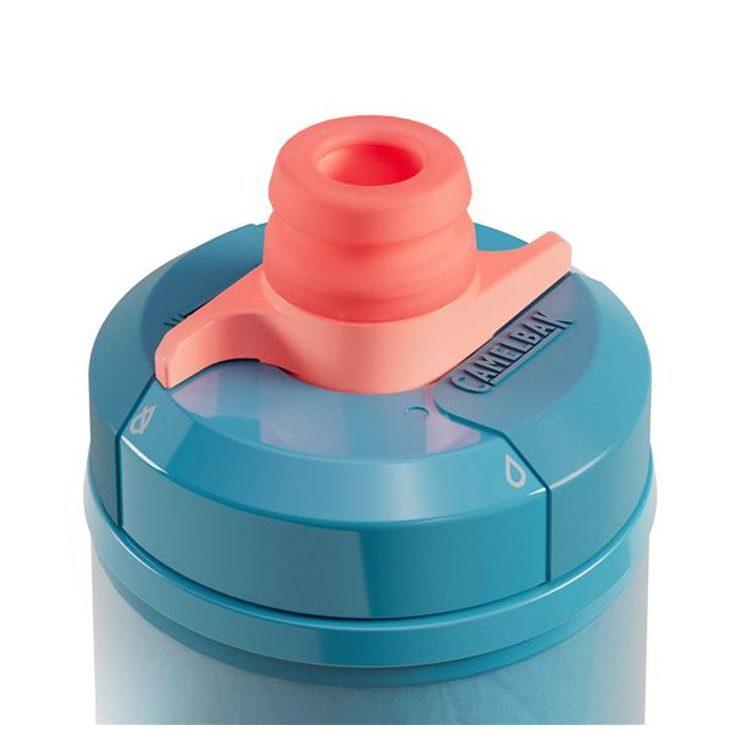
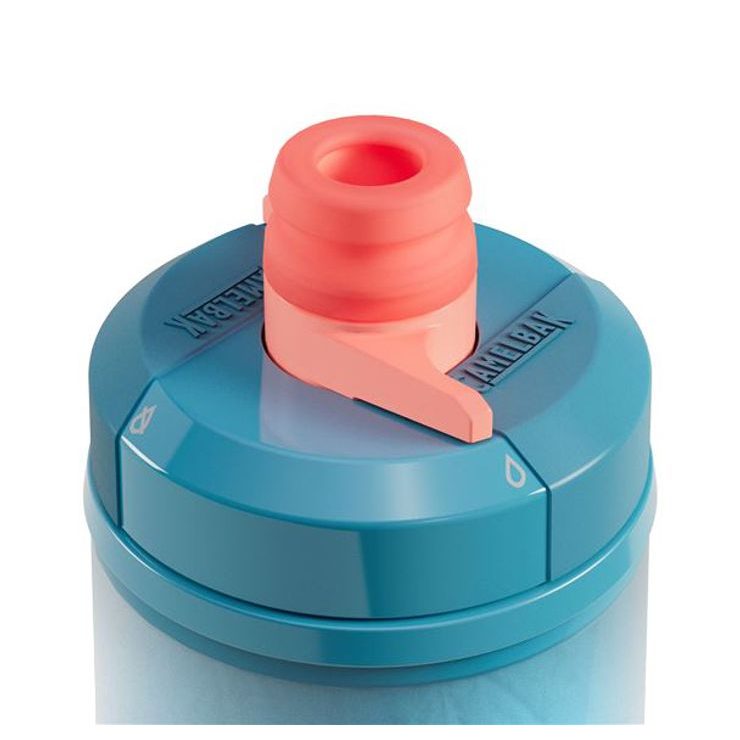
Thanks to the patented self-sealing Jet Valve mouthpiece, water does not drip from the bottle. In addition, it is equipped with a full twist lockout for transporting full bottles. The cap with mouthpiece is easy to take apart and clean.
Thanks to its perfect shape, the Podium Chill bottle is easy to hold on the bike, easy to squeeze, and you will never lose it from the bottle cage.
- Double-wall construction:
Keeps water cold twice as long - Optimised fit in bottle cage:
Designed to fit securely in a variety of bottle cages - Easy to squeeze:
Get more fluid with less effort - Self-sealing high-flow cap:
Maximises flow while eliminating splashes and spills - 100% BPA, BPS and BPF free:
Ride clean, drink clean
Specifications:
Capacity: 0.71 l
Lid material: Jet Valve™ valve is made from medical-grade, self-sealing silicone.
Free from BPA/BPS/BPF
Dimensions: 7.4 x 7.4 x 26.6 cm
Material: BPA-free TruTaste™ polypropylene
Camelbak - American manufacturer and inventor of drinking bag backpacks. Cycling, outdoor, ski and running backpacks, bottles, thermoses and accessories.
The first predecessor of today's CamelBak backpacks was created in 1988 during the HotterN'Hell 100-mile bicycle race in Texas, USA. One of the competitors, Michael Eidson, after much thought, decided to tackle hydration in the August heat in a completely original way. He took advantage of his civilian job as a paramedic and brought an infusion bag he had borrowed from an ambulance to the race. He filled it with water, hid it in his sock, stuck it in the back pocket of his jersey, threw the tube over his shoulder and attached it with a clothespin. Never mind that the other racers laughed at him. The first hands free hydration was born. No one knew then what this invention would evolve into and how it would affect outdoor athletes around the world.


Safe shopping Your data is safe

We ship goods in stock immediately

20,000 products in stock
