How to choose a road bike?
The article presents a comprehensive guide to the world of road bikes, helping readers understand the different types and specifications of these bikes. It describes the main characteristics of road bikes, including specific features such as drop handlebars and narrower tyres. The text looks in detail at four main categories – performance road bikes, e-bikes, gravel bikes and triathlon bikes. It also covers the differences between carbon and aluminium frames, explains the model naming system and provides an overview of different types of drivetrains and shifting. It also includes a practical guide to choosing tyre sizes. The article is intended both for beginners looking for basic orientation and for more experienced cyclists who want to deepen their knowledge of the specific features of different road bike models.
What is a road bike?
Road bikes are fast and efficient, whether you’re heading out on smooth tarmac roads, rougher gravel tracks off-road, or anywhere in between. However, road bikes differ from their trail relatives in a few ways, such as drop handlebars, a lighter build and narrower tyres.
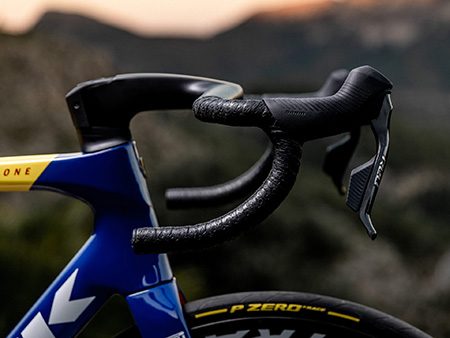
Drop handlebars
Drop handlebars curve downwards for a grip on the drops as well as on the tops. They’re ideal for longer or faster rides because they make it easy to change body position for greater comfort, power or aerodynamics.
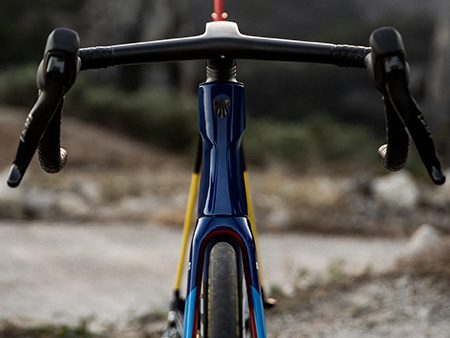
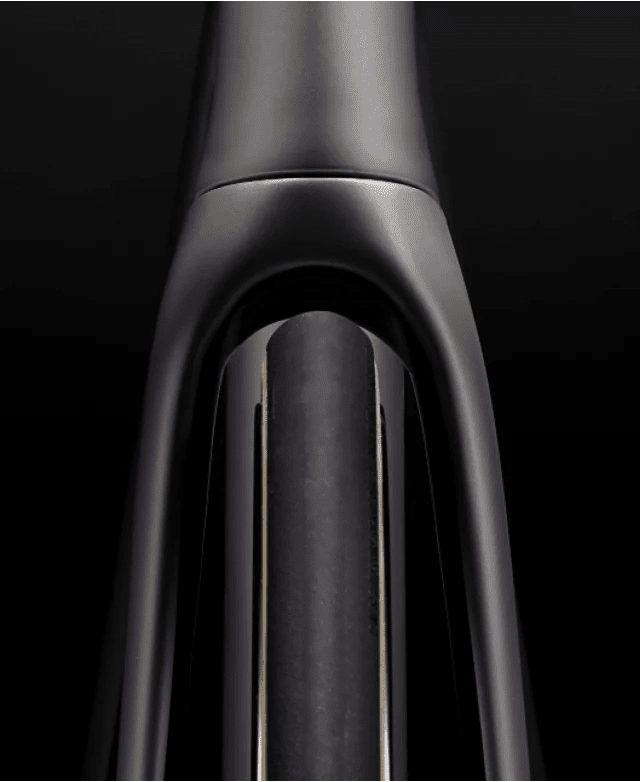
Narrower tyres
Traditional road tyres up to 28 mm are ideal for fast riding on tarmac. More comfortable road bikes use wider tyres up to 45 mm, suitable for gravel and dirt too.
What types of road bikes are there?
Road bikes are usually divided into four categories: performance road bikes, road e-bikes, gravel bikes and triathlon bikes, all designed to achieve goals in different ways. When choosing a road bike, it’s worth considering how you ride, how hilly the terrain is, and whether you want a bit of electric assistance.
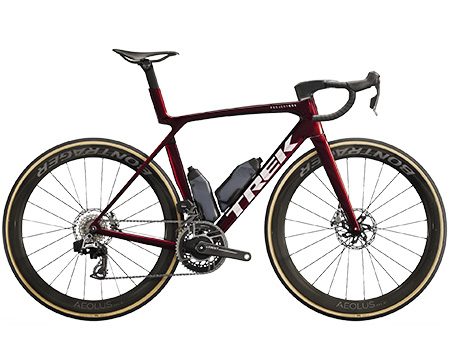
Performance road bikes
Performance road bikes are efficient and fast, whether you’re chasing the quickest times or racing in the toughest events in the world.
Madone
A lightweight and aerodynamic road bike
Madone is an extremely lightweight and aerodynamic race bike. No compromises. Perfection itself. It flies up climbs and along the flats.
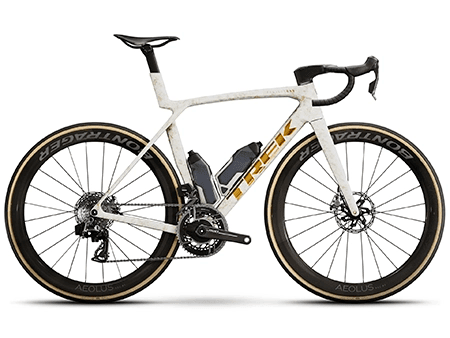
- Full System Foil tube shaping at the front and rear minimises aerodynamic drag.
- The improved IsoFlow design is lighter, brings greater comfort and improves aerodynamic performance.
- Fast/aggressive race geometry.
Émonda
A true climber’s bike
Émonda is a lightweight road bike that excels on hilly routes and climbs up to the highest mountain passes. It’s also available in an aluminium version.
- Low weight and subtle aerodynamic features.
- Fast/aggressive race geometry.
- Ideal for fast climbing in races and riding at the front of the group.
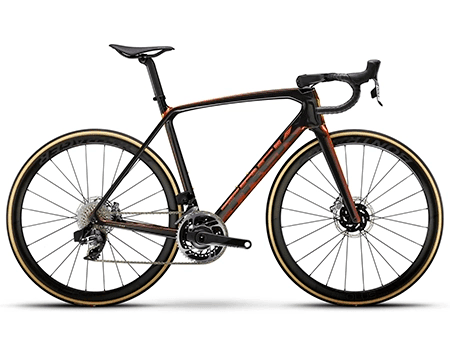
Domane
An endurance road bike
Domane is a versatile endurance bike focused on comfort for long rides and offers features for riding on different surfaces.
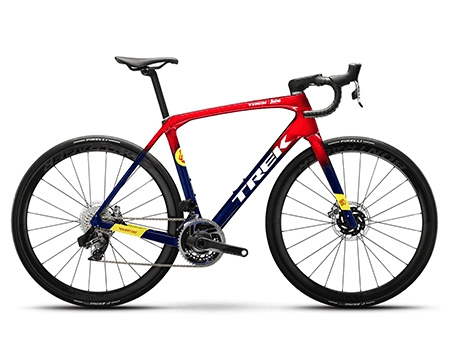
- IsoSpeed provides comfort, so you can ride faster and longer on all surfaces from smooth tarmac to cobbles and light gravel.
- Comfortable performance geometry.
- Ideal for beginners and experienced riders alike.
Road e-bikes
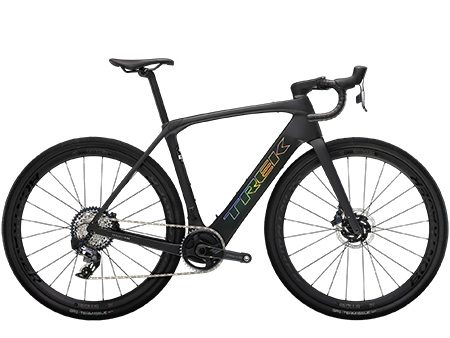
Road e-bikes provide natural assistance that lets you ride further and faster than ever before.
Domane+
An endurance electric road bike
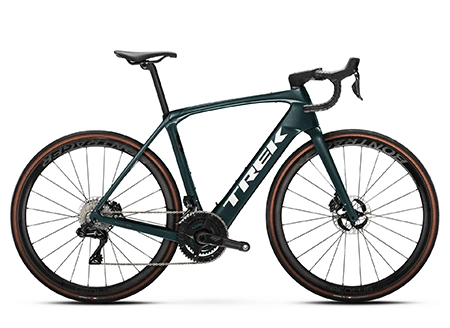
Domane+ is a road e-bike that suddenly makes hills less steep and gives you a tailwind all the time.
- Ideal for tarmac or light gravel roads.
- On versatile bikes, models have clearance for 38 mm tyres, and on gravel bikes 40 mm.
- Comfortable performance geometry.
Gravel
Gravel bikes are partners for any terrain from gravel to tarmac and even light singletrack. They have room for larger, more stable tyres and are built for adventure, as they can easily carry a range of accessories from bags to racks and mudguards. Wondering whether road bikes can handle gravel? Then definitely take a look at Domane.
Checkpoint
Everyday gravel rides
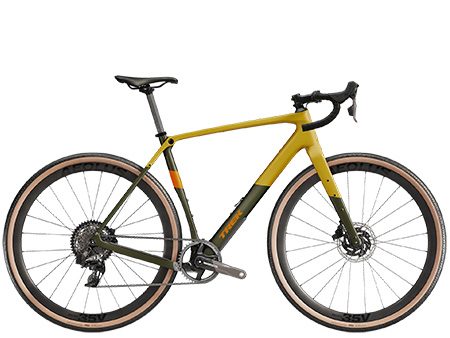
Checkpoint is a gravel bike designed for adventures on unpaved roads, exploring with friends and bikepacking.
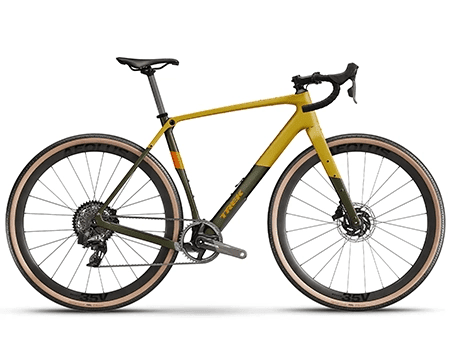
- clearance for up to 50 mm gravel tyres (measured)
- plenty of mounts for accessories and bottle storage
- Gravel Endurance geometry maintains comfort and confidence on gravel and on descents
Checkmate
Gravel Race
Checkmate is our lightest and fastest gravel bike for winning the toughest races.
- clearance for a 45 mm tyre (measured)
- Full System Foil aerodynamic tube profile
- ultra-light OCLV 800 Series carbon
- Gravel Race geometry for riding out of the wind and better aerodynamics, while still remaining highly controllable on demanding gravel courses
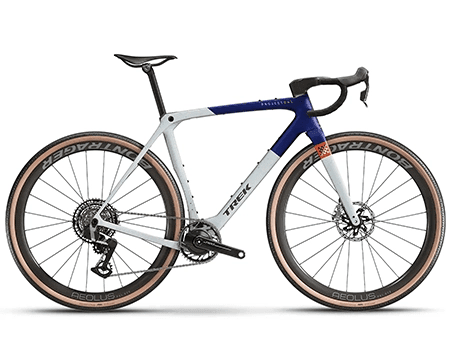
Domane
An endurance road bike
Domane is a versatile endurance bike focused on comfort for long rides and offers features for riding on different surfaces.
- IsoSpeed provides comfort, so you can ride faster and longer on all surfaces from smooth tarmac to cobbles and light gravel.
- Comfortable performance geometry.
- Ideal for beginners and experienced riders alike.
Triathlon bikes
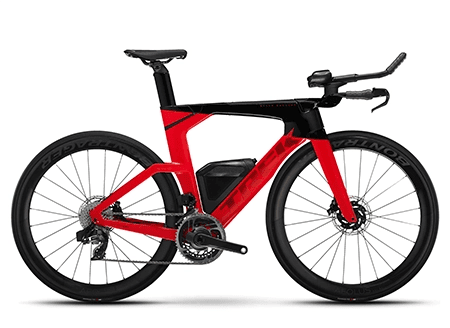
Triathlon bikes are designed for smashing personal bests, racing against the clock and improving performance at the toughest sporting events. They offer a range of triathlon features such as optimised long-distance aerodynamics and storage for fuelling during races.
Speed concept
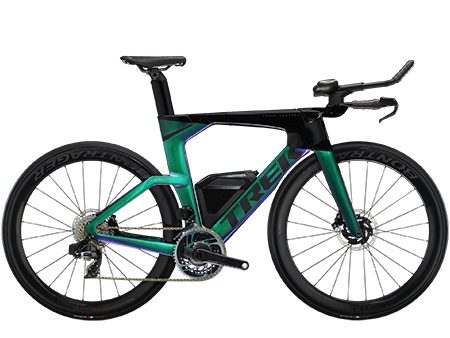
Speed Concept is a triathlon bike that lets you set your fastest triathlon time.
- It will make you even faster at your next Ironman race or local triathlon.
- Fast triathlon geometry that can be fully adjusted to the rider’s needs.
- Brilliantly integrated hydration and nutrition systems.
Carbon or aluminium?
The construction and material of a bike significantly shape the ride feel. For most road bike models, Trek offers both a carbon and an aluminium version. Depending on your riding style, one may be better.
Trek OCLV Carbon
Carbon is a composite material that can be formed into complex shapes. Designers use its compliance to create ultra-light bikes. Carbon bikes are generally lighter and offer better aerodynamics and ride quality. Their manufacture often requires greater precision and, compared with aluminium counterparts, they can be more expensive.
Trek Alpha Aluminium
Trek aluminium road bikes are equipped with performance features and share many characteristics with other frame materials. Trek’s Alpha aluminium uses invisible weld technology for a sleek look and is a very durable and affordable choice that offers a wide range of features for riders who want a nimble bike at a sensible price.
What do the letters after the bike name mean?

These are the lightest and best carbon frames we offer. SLR frames in OCLV 800 and 900 Series carbon boast top technologies and are ridden by elite racers.

Our lightweight OCLV 500 Series carbon. These road frames are a bit lighter than SLR models. They still deliver an affordable machine with great performance features.

Our highest-performing Alpha 300 Series aluminium frames. They’re light, have refined details like hydroformed and smooth welds, and won’t break the bank.

Our entry-level Alpha 100 Series aluminium frames ideally balance performance and price. They have smart features and look great. Overall, they offer excellent value.
Choose your drivetrain
Every Trek road bike is fitted with carefully selected parts (cranks, gears, chain and derailleur), collectively referred to as the drivetrain. And just like frames, drivetrains are available in different levels. The name of each road bike model includes a number that refers to the drivetrain level of that bike. 9 indicates the highest performance level and 2 the best-value level. Within each drivetrain level, you can then choose between SRAM and Shimano. Both companies make unique components for our bikes, each with specific advantages depending on the type of riding.
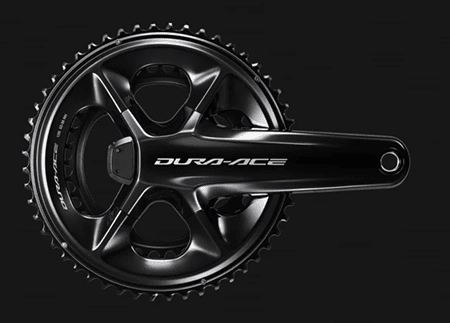
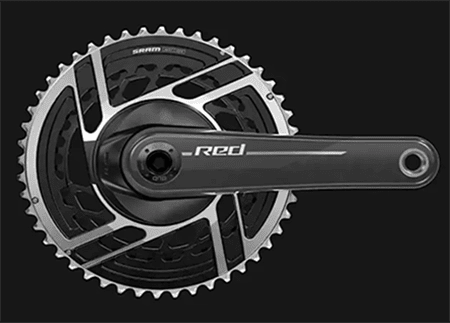
Should I choose electronic or mechanical shifting?
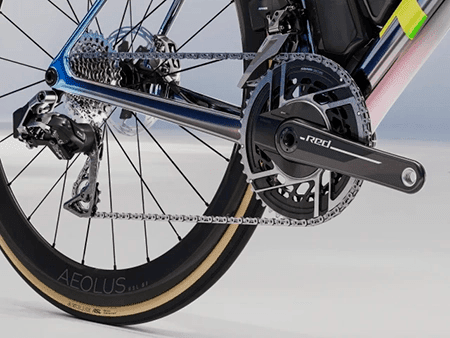
Electronic shifting
Electronic shifting is lightning fast and delivers high performance. It’s precise, durable and quick even under load. However, that speed comes with one drawback. The battery will need charging from time to time.
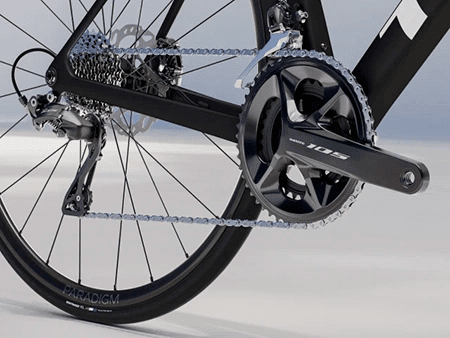
Mechanical shifting
Mechanical shifting is easy to use and offers a sensible balance of price, performance and proven reliability. It’s low-maintenance and you don’t have to worry about whether you forgot to charge a battery. You simply ride worry-free.
Can I fit larger tyres to my road or gravel bike?
But not all tyres are suitable for these bikes. For every road bike and gravel bike, we list the maximum recommended tyre size, which you’ll find in the details for each bike model.
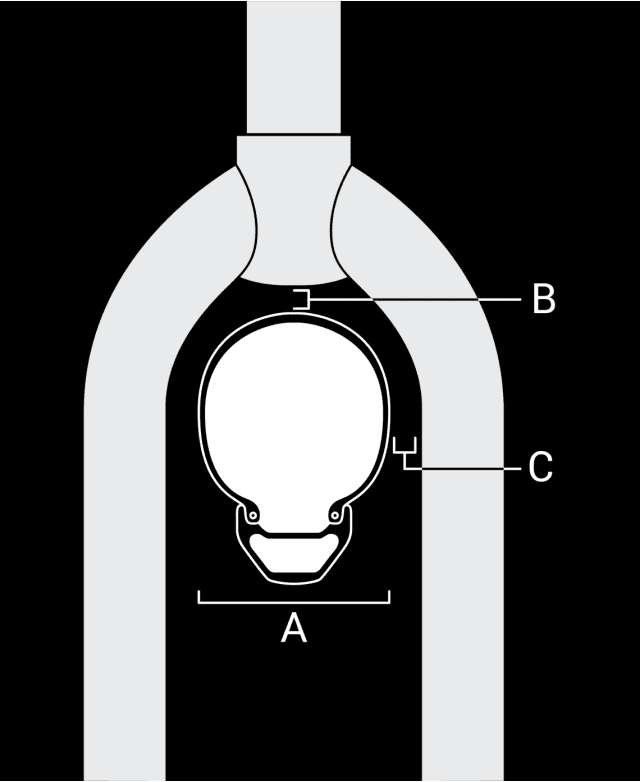
In the bike model specifications, the maximum recommended tyre size may be shown as a “measured value”. “Measured value” means the measured tyre width when the tyre is mounted on the rim and inflated to the recommended pressure. For road models, we recommend at least 4 mm of clearance between the tyre and the frame, and for gravel bikes 6 mm. This clearance determines the maximum tyre size we recommend.
For example, the Madone Gen 8 can be fitted with tyres up to 33 mm (measured value). This means the maximum recommended tyre width (measurement A) is 33 mm, which should ensure the recommended 4 mm clearance between the tyre and the frame (measurements B and C).