


How to choose a hiking backpack?
When choosing a hiking backpack, it is crucial to consider not only the size, but also how you will use it, user preferences and the back system. Small backpacks are suitable for day trips, while larger models are essential for multi-day hikes or expeditions. Comfort is also important, especially wide, well-padded straps and a quality hip belt. Carrying and back systems must be sturdy, durable and lightweight at the same time, while clever features such as a removable lid or an integrated rain cover can increase comfort, but also weight. The price is influenced by the material, construction and functional equipment of the backpack.
I will be translating to language english (en_GB). Choosing a hiking backpack can be quite a nut to crack. There are countless options on the market, so it makes sense to sort them out a bit. The most important categories are by size, purpose and user type. Secondary, but still important parameters then include the number of compartments, the type of access to the contents, the back system, options for attaching gear, weight, or for example compatibility with a hydration bladder.
What backpack size should you choose?
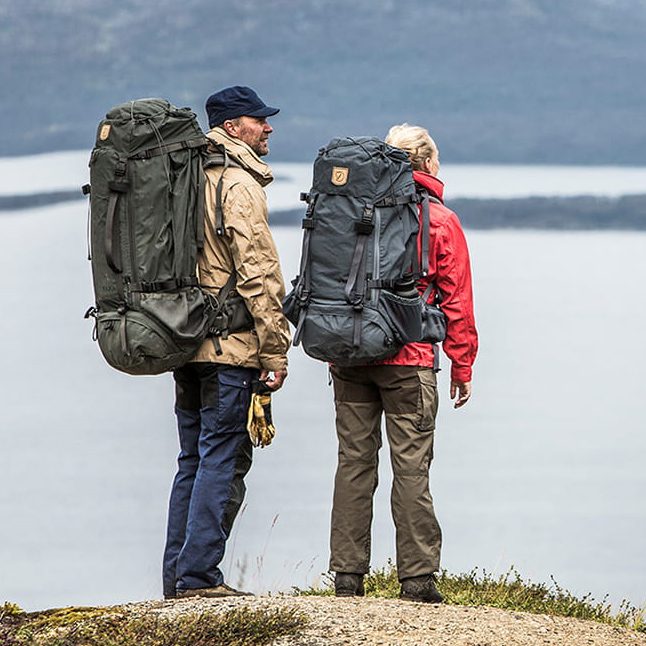
Size matters. A small backpack (up to 30 litres) is perfect for day trips – for snacks, spare clothing and perhaps a camera. Medium backpacks (30–50 litres) can handle multi-day hikes and can also carry climbing or ski-touring gear. Large backpacks (50–100 litres) are for longer expeditions, when you need to carry all sorts of things including tents, sleeping bags, boots and a larger amount of clothing.
Backpack weight
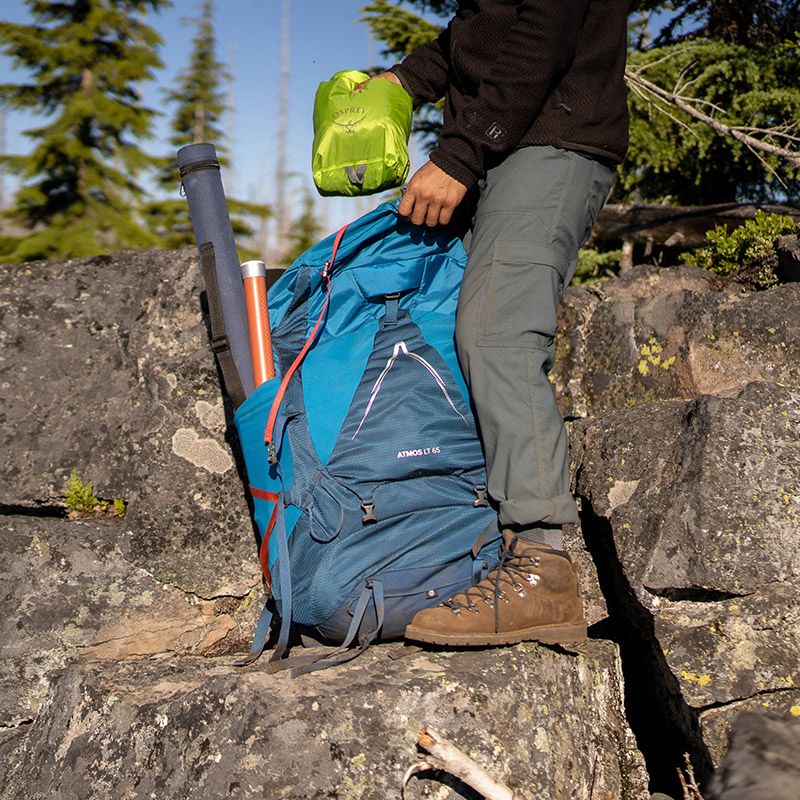
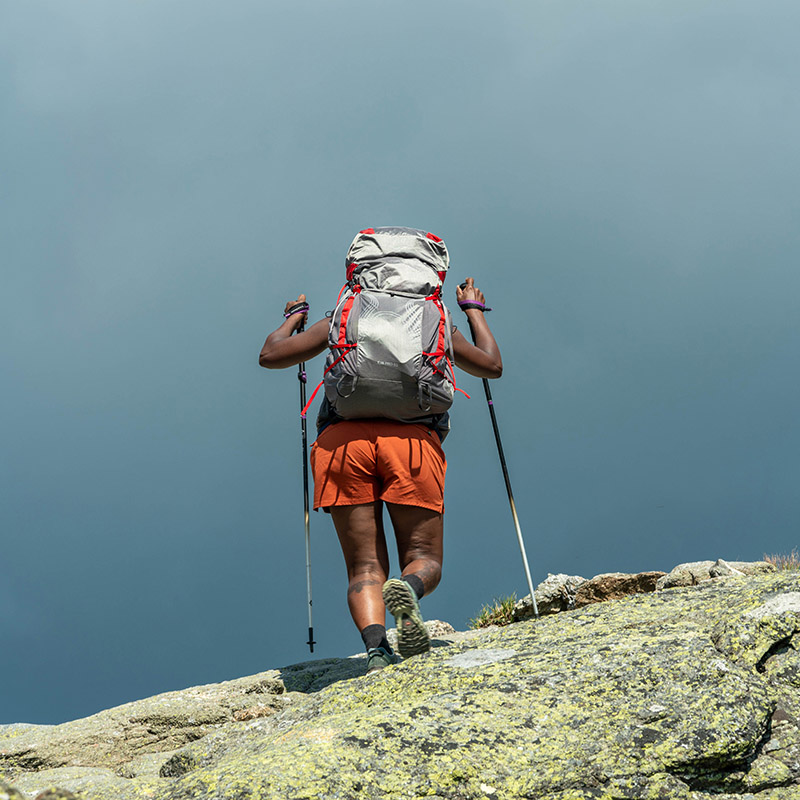
Logically, it seems that a bigger backpack weighs more, but today’s ultralight models can surprise you. A 100-litre backpack is often lighter than another medium one. On the other hand, lighter materials won’t last as long. Ideally, you’re looking for the golden mean: a small backpack should be around 1 kg, and if a large one is over 3 kg, be cautious. Among very light larger hiking backpacks are, for example, the Aircontact Lite models from DEUTER or the Exos and Atmos AG LT models from OSPREY.
Men’s, women’s or unisex?
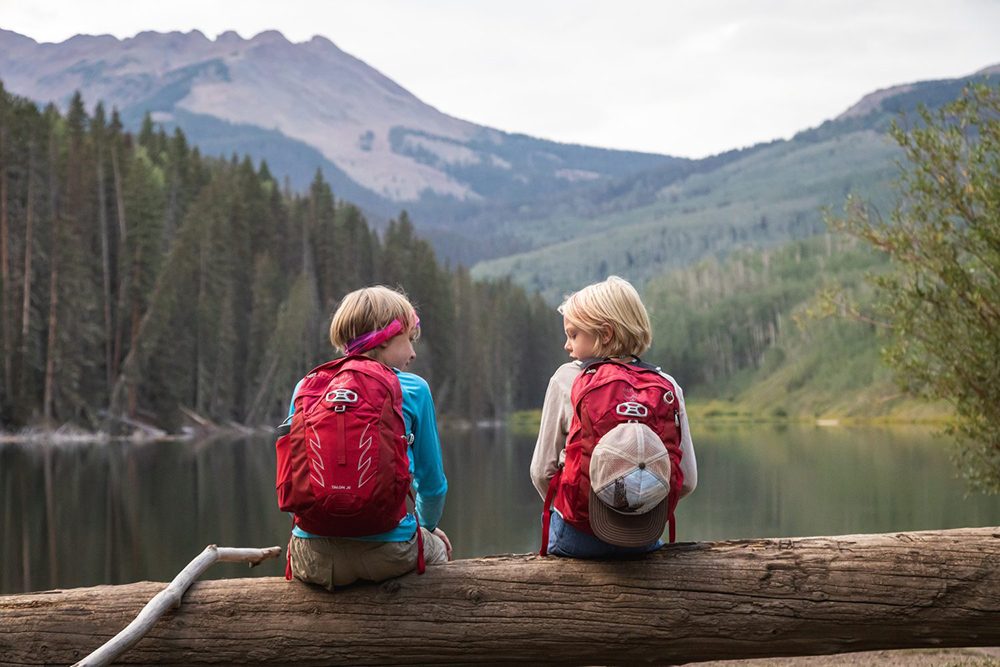
Manufacturers distinguish men’s, women’s and children’s backpacks. All others, where it is not specified otherwise, are unisex. Women’s models are often marked “SL” and have an adapted construction. Still, the choice is individual – there are smaller men and, conversely, sporty women with broader shoulders. The important thing is that the backpack fits well.
Comfort first
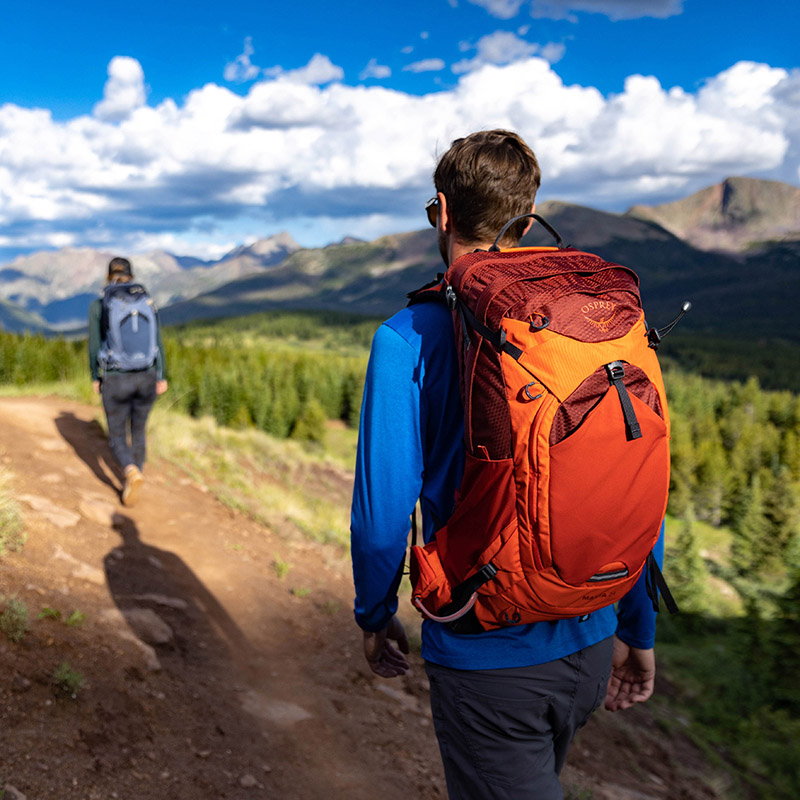
The back system must be comfortable. Before you get tempted by ventilation tricks, remember that pressure is concentrated on fewer contact points, which can be uncomfortable. Instead, choose wide, softly padded straps that won’t dig in or slip. Adjustability is key, as is an adjustable sternum strap and a quality hip belt, if you use it. Hiking backpacks from FJÄLLRÄVEN are characterised by an extremely high level of comfort.
Water resistance
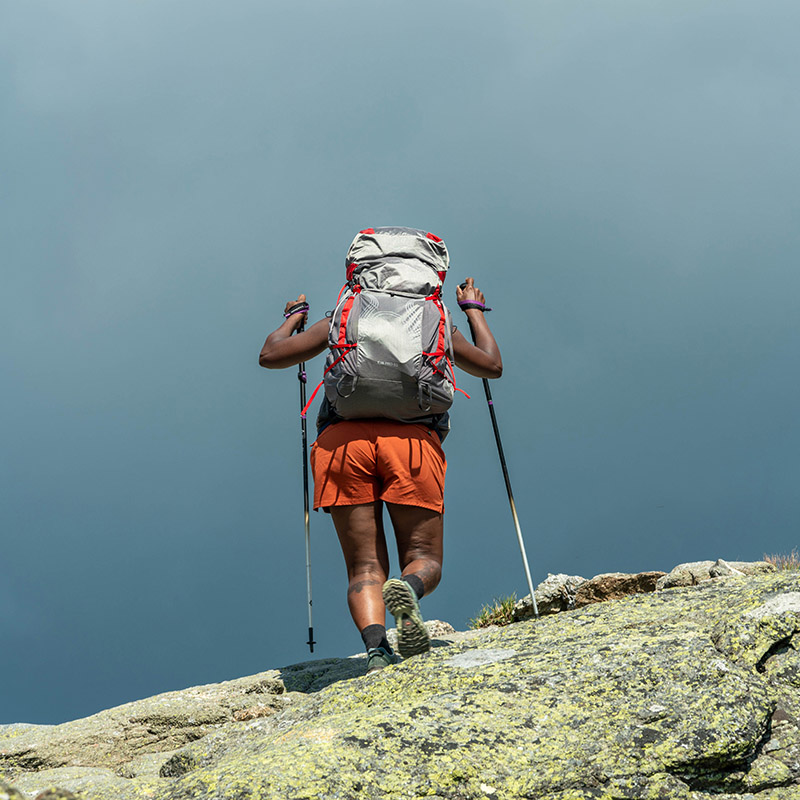
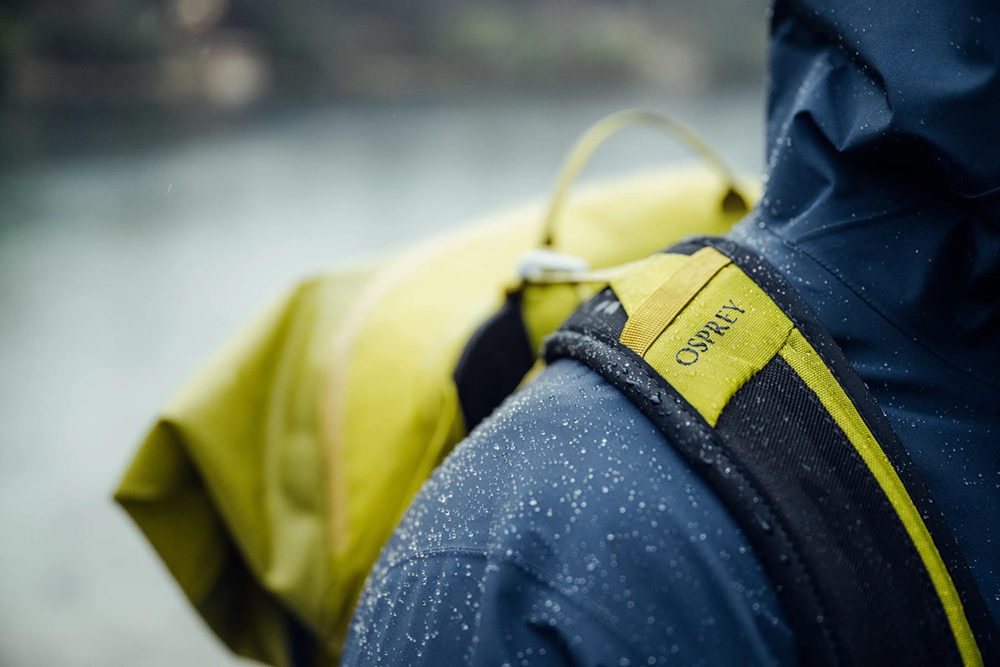
The weather can catch you out, so resistance to moisture is handy. Even with a rain cover, keep in mind that a completely waterproof backpack does not exist - backpacks from EXPED are the closest to it. The best protection is to pack sensitive items into waterproof bags.
Types of backpack loading
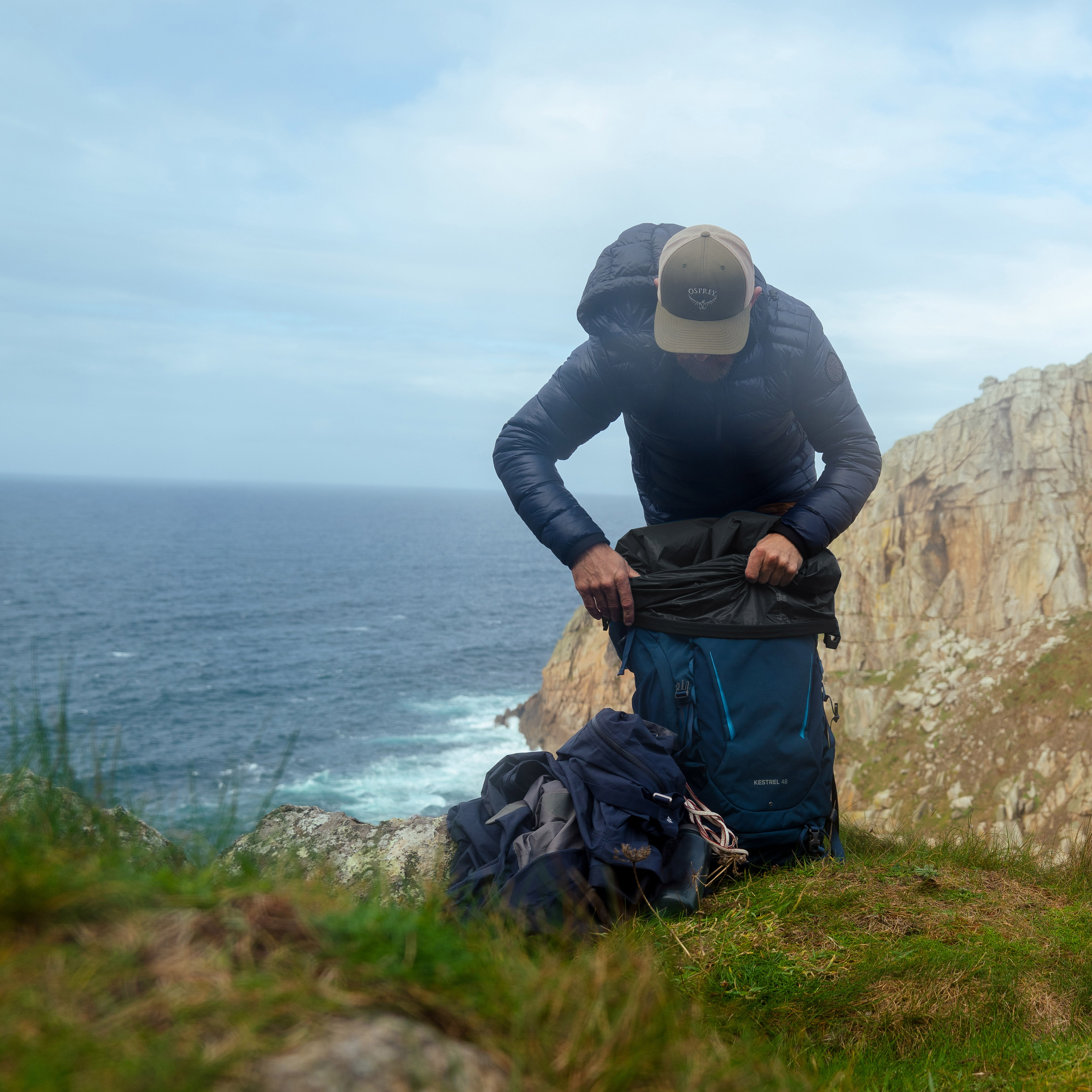
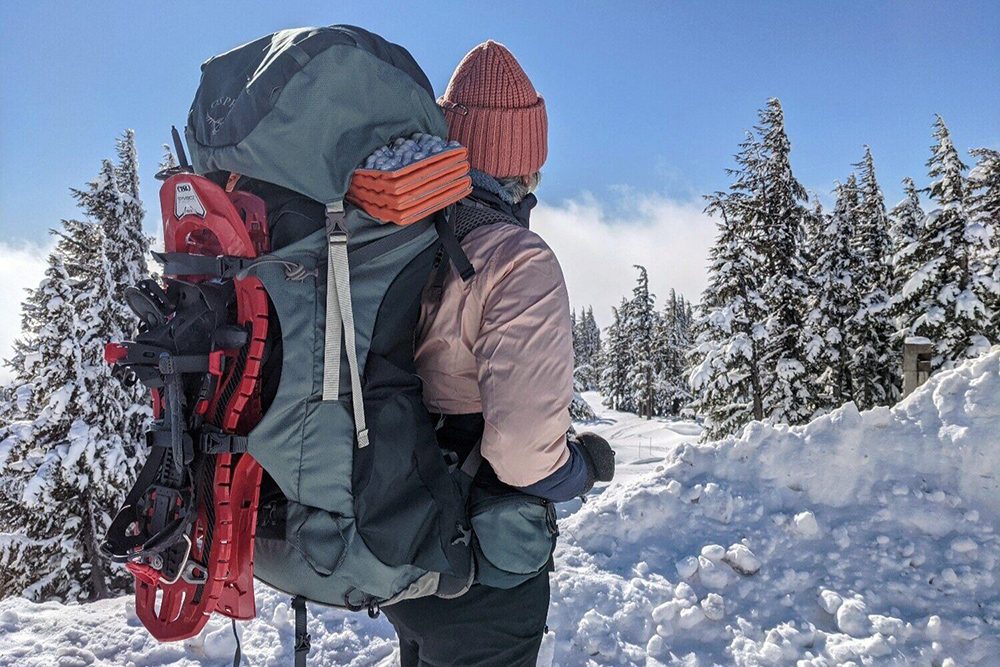
Classic top loading is common, but side or rear zip access makes handling your load easier, especially in snow. A combination of different loading systems makes a backpack more versatile and practical. Popular expedition backpacks with a "lid" include, for example, the Cerro Torre models from Lowe Alpine and the Aircontact models from Deuter. Side loading is then offered, for example, by the Kestrel and Kyte models from Osprey.
Pockets and clever features
More compartments, elastic pockets, a removable lid, compression straps and integrated whistles – all of this increases user comfort. But beware, every feature adds weight. Choose what you really need. We are convinced that in this case you will certainly be interested in the Kajka backpacks from Swedish Fjällräven.
Price
The price of a backpack depends on materials, size, construction and equipment. A larger backpack with a well-thought-out carrying system will cost more than a simple model. However, investing in a comfortable, durable backpack pays off, especially if you are planning demanding trips.
If a low price is decisive for you, we recommend above all the cheaper but high-quality Czech brand HANNAH. The latest collection of these backpacks offers a great deal. Backpacks from the Czech brand PINGUIN certainly won’t let you down in this case either. In the higher class, the market is dominated by the brands OSPREY, DEUTER, FJÄLLRÄVEN or LOWE ALPINE.