How to choose a children’s backpack?
Choosing the right children’s backpack is much more than just a matter of an attractive design or a favourite cartoon motif. A developing child’s spine requires maximum care, so the right model should fit perfectly, distribute weight correctly and not strain young backs. Whether you’re looking for a cute little backpack for a pre-schooler, a reliable companion for trips into nature, or a durable model for a young hiker, in this guide we’ll advise you how to navigate sizes, ideal volumes and key ergonomic and safety features.
A big guide for little and big adventurers
Choosing the right backpack for an adult is one thing, but getting the right piece for a child requires a specific approach. Children’s backs are still developing, so it’s crucial that the backpack not only looks good, but above all fits perfectly and protects healthy body ergonomics. With us you’ll find a wide range of children’s backpacks from top brands such as Boll, Deuter, Affenzahn, Mammut or Fjällräven.
How do you make sense of this colourful selection and choose the best one?
1. Choose the right size and volume by age
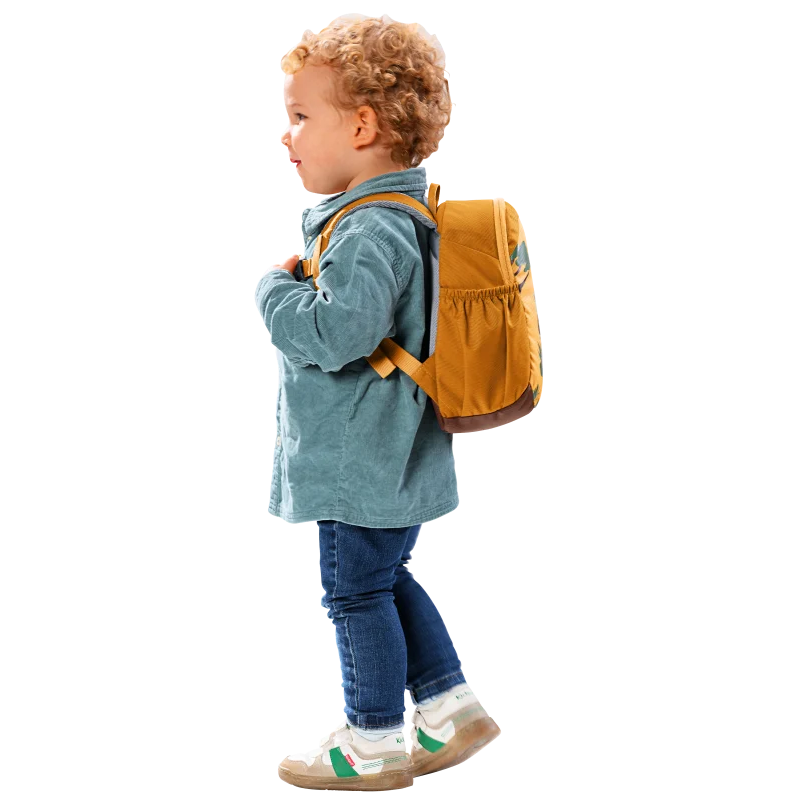
The basic rule is that the backpack must not be bigger than the child’s back – it must not extend beyond the shoulders or reach below the buttocks.
For the youngest children (pre-schoolers, 2–4 years):
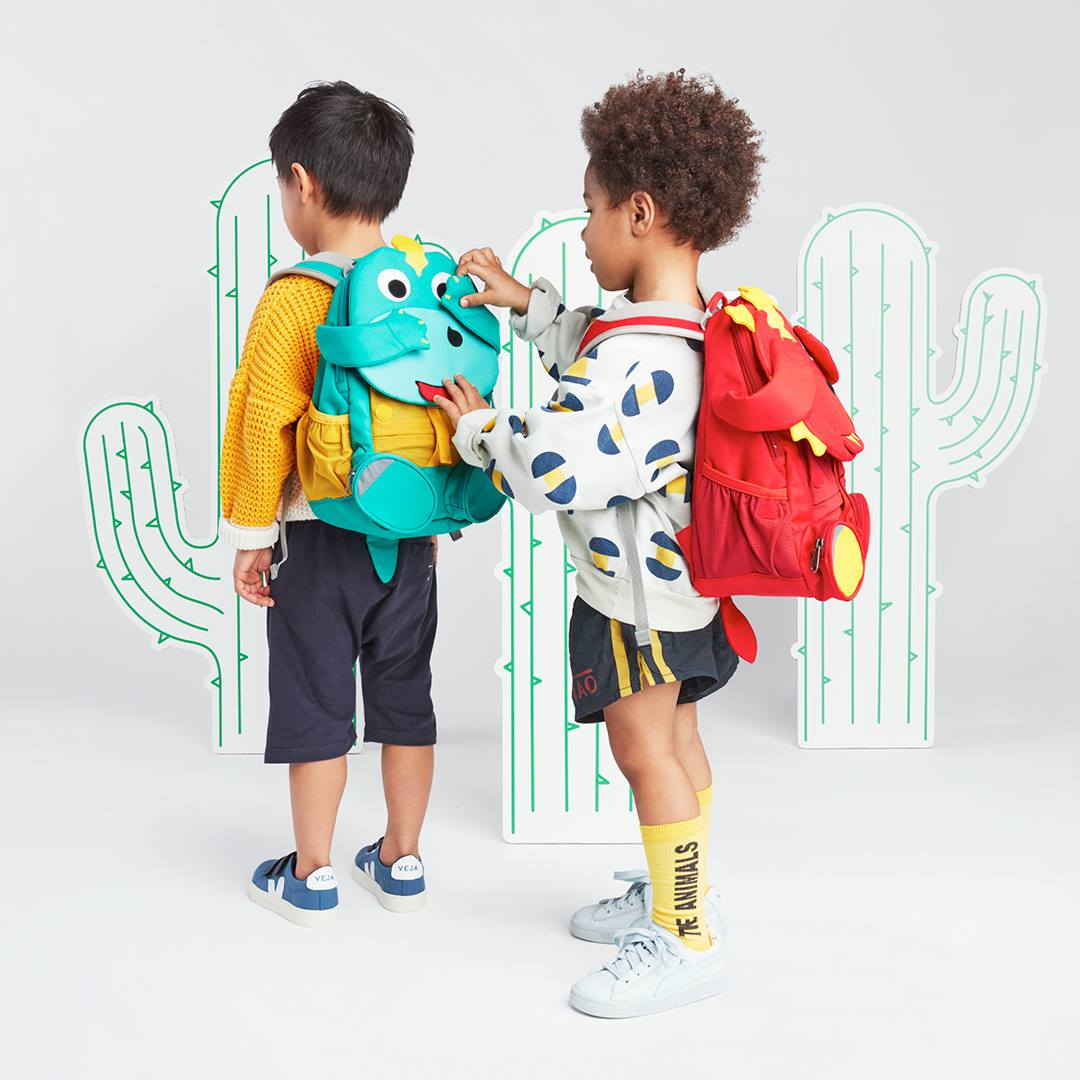
For first steps to nursery or short walks, miniature backpacks with a capacity of 4 to 8 litres are enough. A great choice are the playful Affenzahn backpacks (with popular animal motifs that also develop children’s fine motor skills) or the proven models Deuter Pico or Schmusebär.
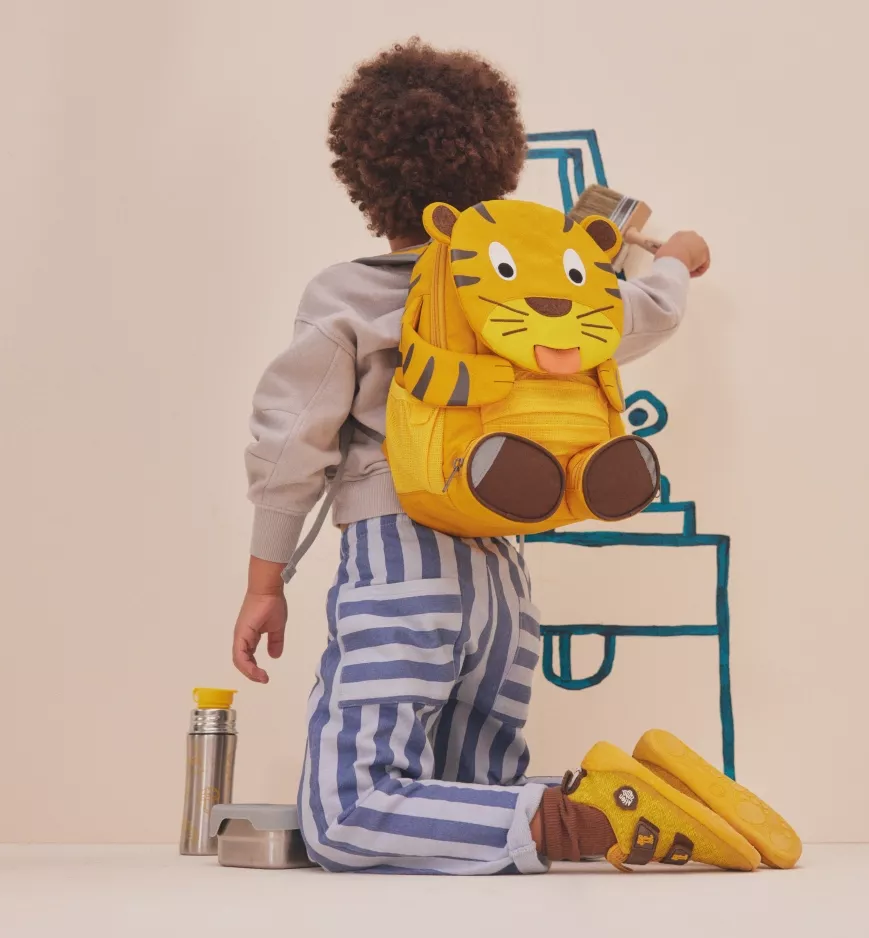
For younger schoolchildren (approx. 4–7 years):
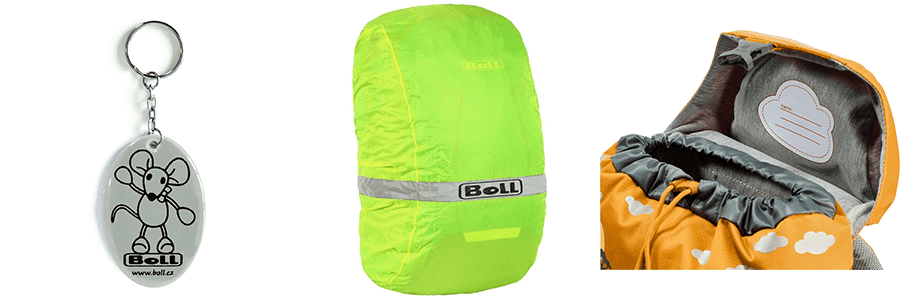
For longer trips and for the 1st stage of nursery, volumes around 10 to 15 litres are suitable. A popular choice is, for example, the Czech brand Boll and its Roo or Sioux models, or Mammut First Zip. These backpacks often include nice extras too, such as a rain cover or a small soft toy.
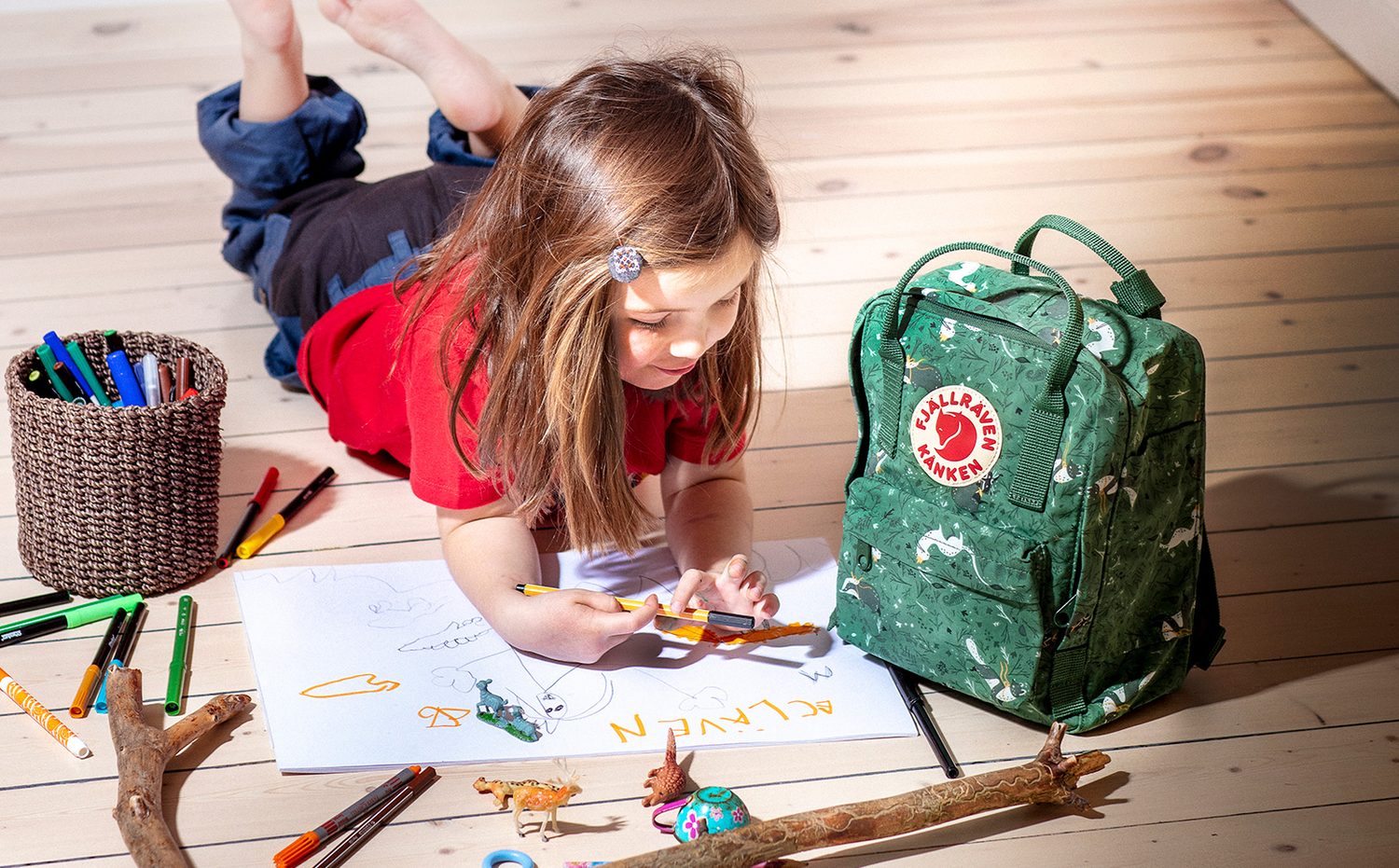
For older children and hikers (8+ years):
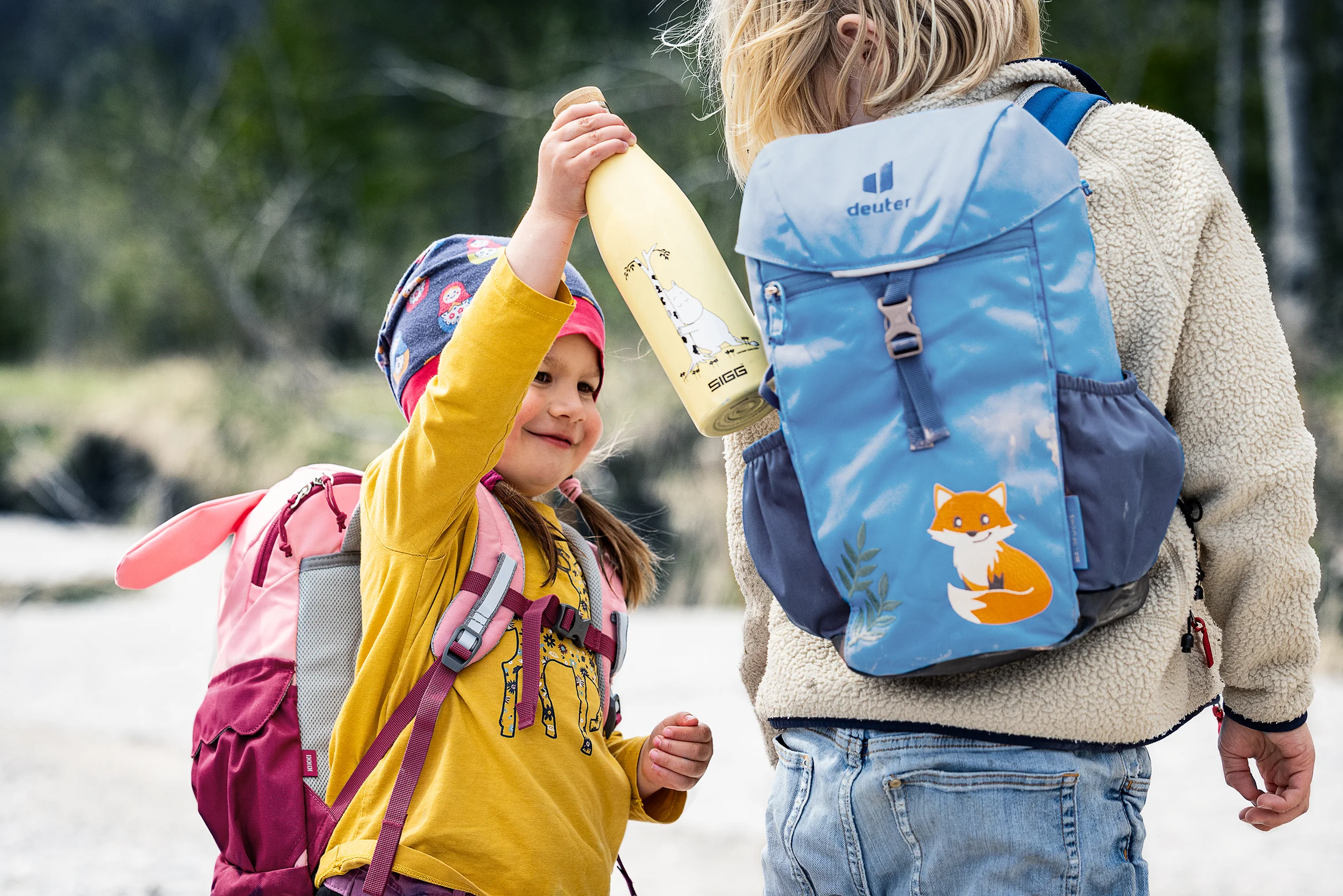
If your children go with you on full-day hikes or longer treks, go for fully featured junior hiking packs (capacities 20 to 30 litres). A great choice are the well-designed Deuter Fox models (with a back system that grows with the child) or the Boll Falcon/Eagle range.
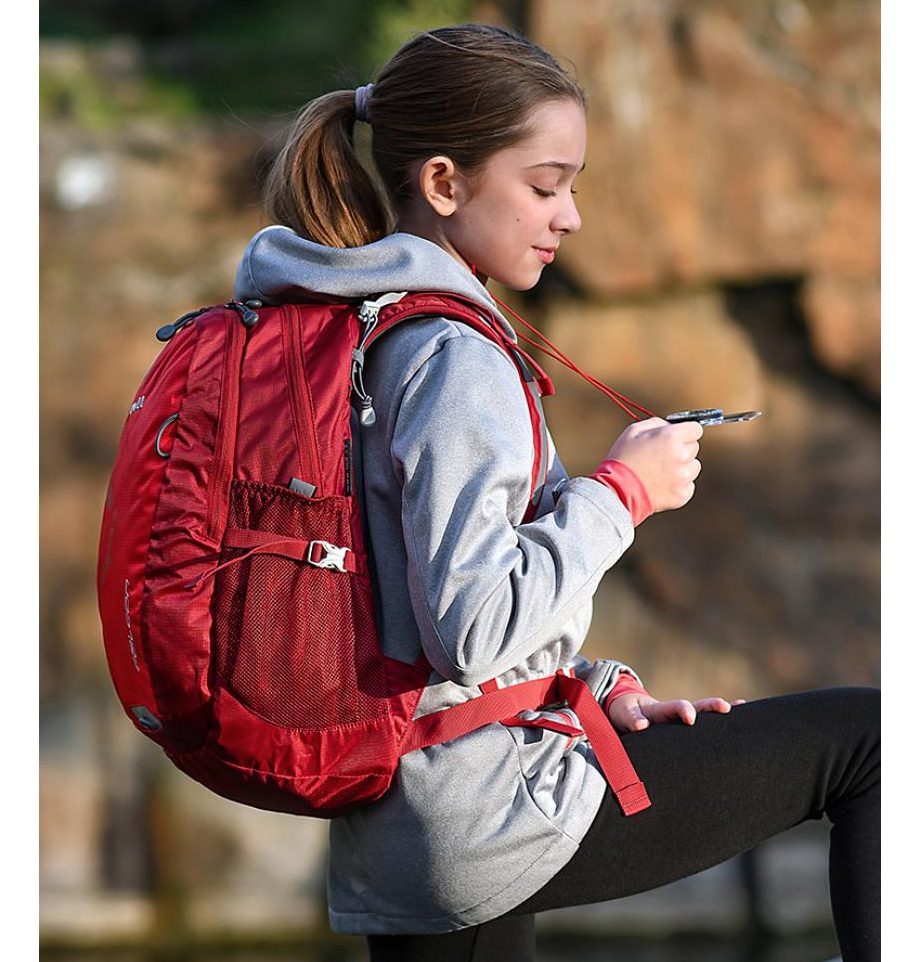
2. Ergonomics and healthy backs come first
Children shouldn’t carry an excessive load, and the empty backpack itself must be as light as possible. What should you focus on?
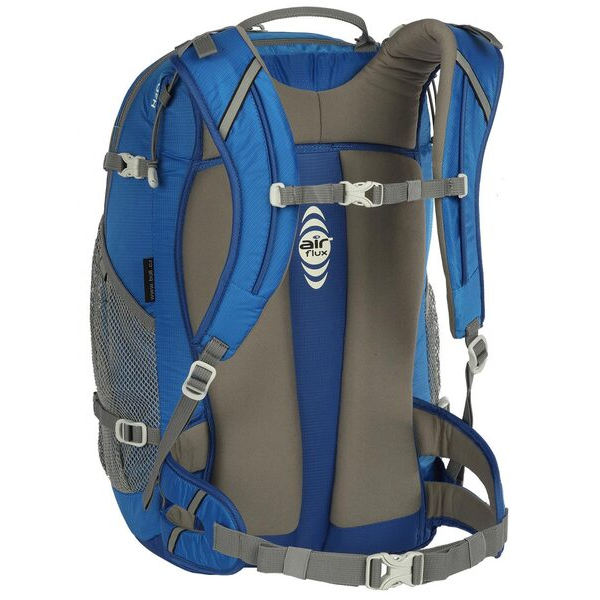
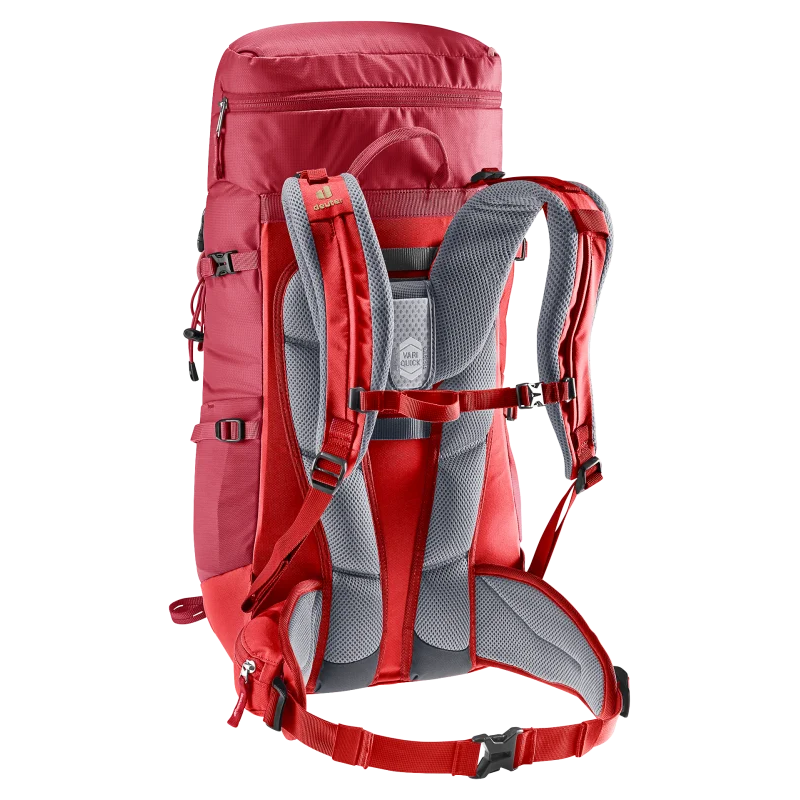
Anatomically shaped and padded back panel: Prevents the contents of the backpack from pressing directly into the child’s back and ensures air circulation.
Shoulder straps: They should be sufficiently wide, soft and ergonomically shaped so they don’t slip off narrow children’s shoulders.
Sternum strap and hip belt: An absolute must for hiking backpacks! The sternum strap keeps the straps in place, while the hip belt helps transfer part of the weight from the shoulders to the pelvis.
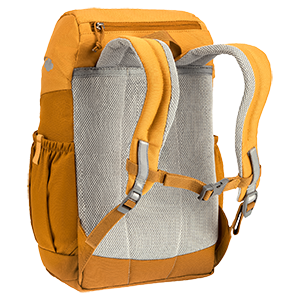
3. Safety and practical details
Children can be inattentive when caught up in play, so safety features play a big role:
Reflective details: Quality reflective elements on the front and back ensure the child is clearly visible at dusk, in fog or on the way home from school.
Durable materials: Children’s backpacks climb rocks, roll around in the grass and sometimes even serve as sledges. Water-repellent and robust fabrics ensure the backpack lasts more than one season.
Clear internal organisation: A name tag inside, a key clip, side mesh pockets for water bottles and a front pocket for a snack save a lot of searching.